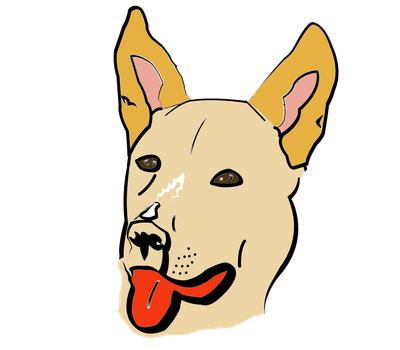
 Carolina Dingo
Evolutionary Nutrition
For centuries, Carolina Dogs fed themselves — small prey, scavenged finds, whatever the southeastern woods offered. That history doesn't mean your dog should eat like a wild animal, but it's a useful lens: this is a breed built to run lean on quality protein, and it tends to do best when its diet respects that.

Principles That Matter More Than Brands
- Protein first. Look for named animal proteins (chicken, beef, fish) leading the ingredient list, whatever format you feed.
- Keep them lean. Carolina Dogs are naturally trim — you should feel ribs easily under a thin fat layer and see a clear waist. Extra weight is the most preventable health problem in dogs, full stop.
- Complete and balanced beats clever. Whether you feed kibble, fresh, home-prepared, or raw, the diet must meet complete nutritional standards (look for an AAFCO adequacy statement, or build home diets with a veterinary nutritionist).
- Watch the individual dog. Coat quality, stool, energy, and weight tell you more than any label. Change one thing at a time and give it weeks, not days.
Kibble, Fresh, or Raw?
Carolina Dogs thrive on all three when the diet is well-formulated, so choose what you can do consistently and safely:
- Quality kibble is the simplest complete option; pick a protein-forward formula appropriate to your dog's age and activity.
- Fresh/gently-cooked diets (commercial or home-prepared with professional guidance) suit many primitive-breed dogs and picky eaters.
- Raw feeding has passionate adherents among primitive-breed owners. Some Carolina Dogs do beautifully on carefully balanced raw diets — including meaty bones like chicken quarters — but balance and food-safety discipline are non-negotiable, and it's worth involving a vet familiar with raw feeding rather than winging the ratios.
Routine Is a Nutrient
Primitive breeds do best with predictable mealtimes — usually two meals a day for adults. A routine reduces food anxiety, makes house-training and gut health boringly reliable, and gives you a daily appetite check (in a breed this food-motivated, a skipped meal is real information). Use a slow feeder or scatter feeding if your dog inhales food; use part of the daily ration for training instead of adding treats on top.
When to Call the Vet
Sudden appetite loss, persistent digestive trouble, itching or coat changes after a diet switch, or unexplained weight change all deserve a professional opinion. And before any major dietary experiment — especially raw or home-prepared feeding — a conversation with your veterinarian is the cheap insurance that keeps the experiment safe.
Also read: Training Through Trust →